
The most beautiful places on earth share a luxury problem: too many people in the same spot at the same hour. Santorini groans under day-tripping cruise crowds, Venice has introduced an entry fee, and Capri’s lanes are barely passable at midday. And yet every one of these places is famous for good reason. The trick is not to avoid them, but to know where and when.
Because the crush almost always concentrates on a few square metres and a few hours: the same three photo spots, the same midday moment when the day boats arrive. One place over, one hour earlier, one season apart, and the very same scene is almost yours alone. Our advantage as a sailing specialist: arrive by small ship or yacht, drop anchor in quiet bays, step ashore early, and be back at sea by the time the crowds appear.
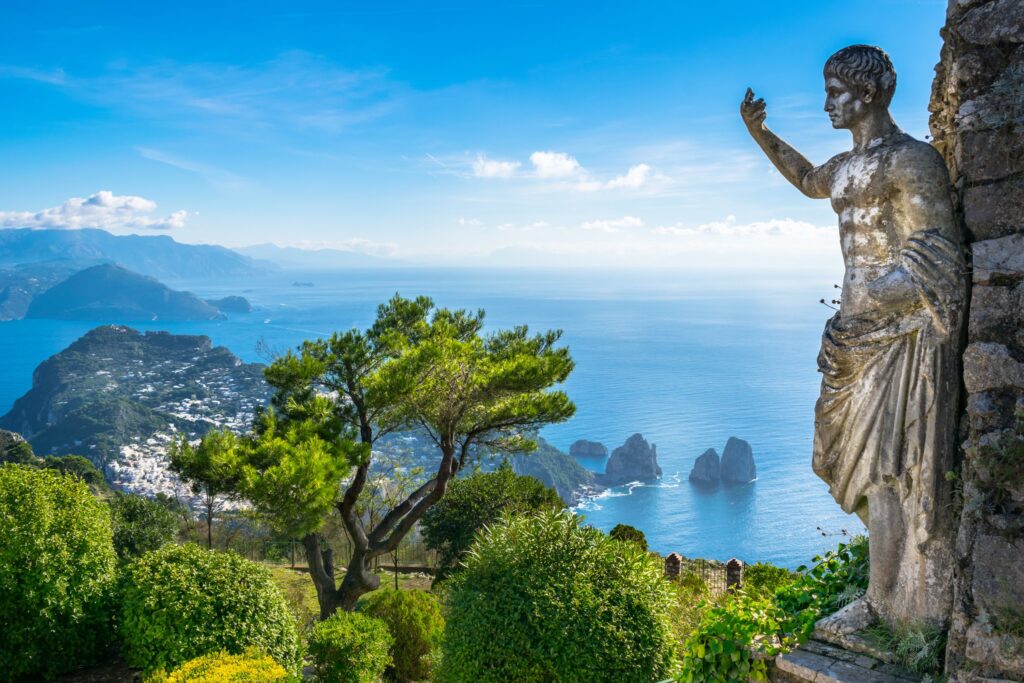
Capri: early, late, and up to Anacapri
Capri belongs to the day-trippers between ten and four. Before and after, the island returns to itself. Our advice: stay overnight, or arrive by yacht. The Giardini di Augusto and the view of the Faraglioni rocks are almost deserted in the early morning. Climb up to Anacapri, the quieter twin of the main town, and take the chairlift on to Monte Solaro. The Faraglioni themselves are at their finest seen from the water at first light. Best time: May, June, September. Give August a miss.
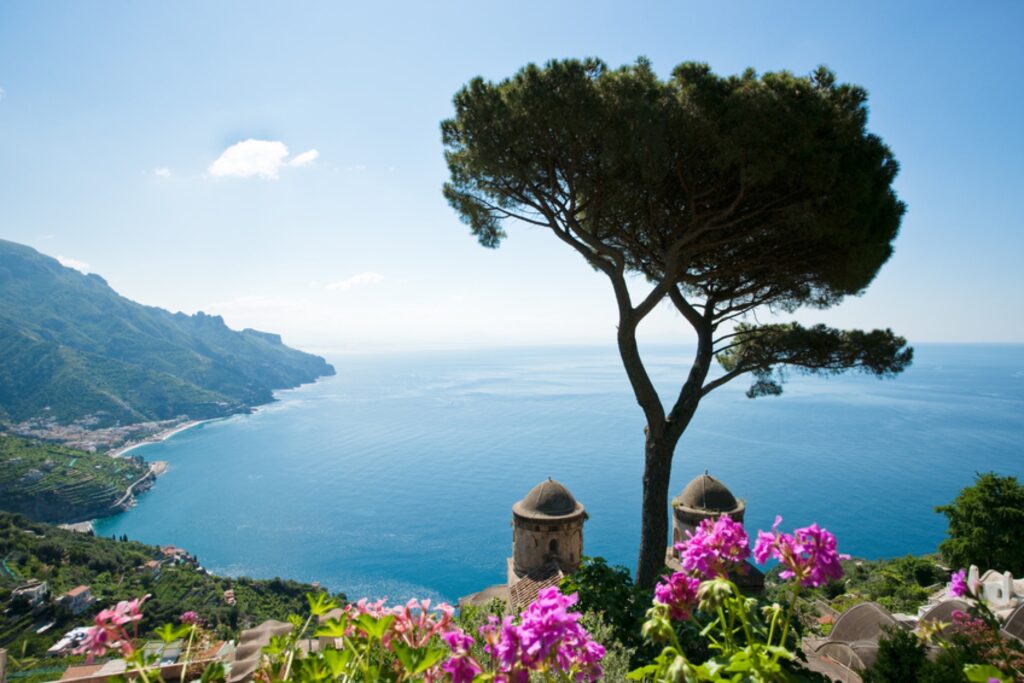
Ravello: the balcony of the Amalfi Coast
While Positano and Amalfi jostle at the waterline, Ravello sits high above the coast and keeps its calm. The gardens of Villa Rufolo once inspired Richard Wagner, and the Terrazza dell’Infinito at Villa Cimbrone is one of the loveliest viewpoints in the Mediterranean. Ravello is the antidote to the crush of the coast road. Come in the morning, before the coaches arrive, or plan around the summer Ravello Festival, when classical music drifts across the terraces.
Santorini and the quiet Cyclades (and Hvar)
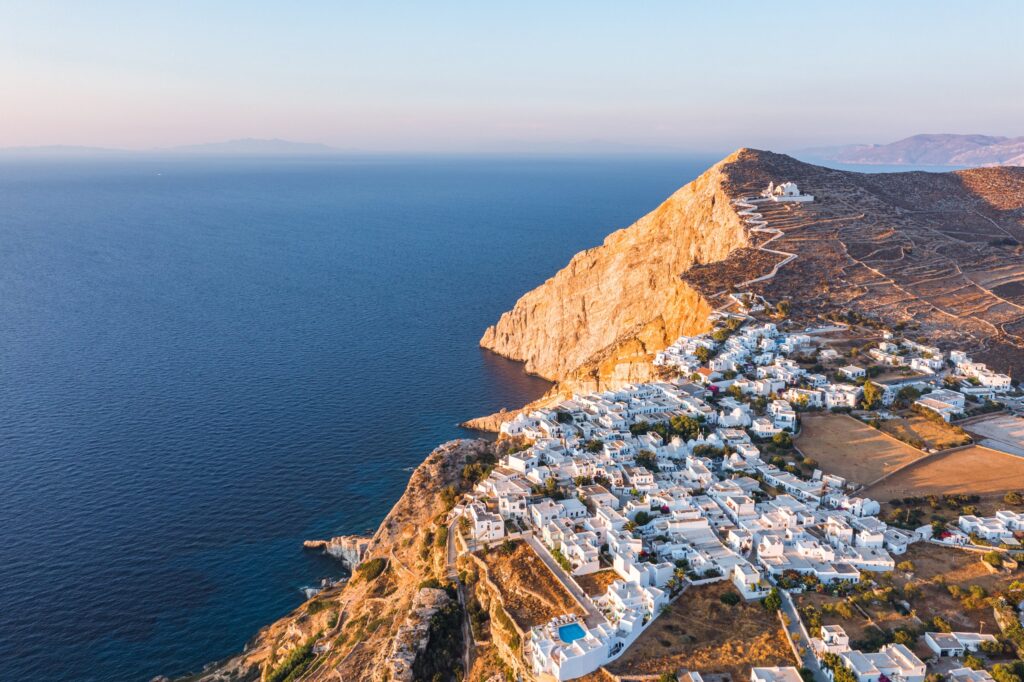
Oia and Fira are the textbook case of overtourism, especially at midday when several cruise ships lie in the caldera at once. Our tip: watch the famous sunset not in the scrum of Oia, but from the ship, or from quieter Imerovigli and Pyrgos. Better still: the Cyclades have dozens of silent sisters that scarcely a day-tripper reaches. Folegandros, Sifnos, Milos, Amorgos and Koufonisia offer the same white-and-blue magic without the crowds, and a small ship takes you straight in. The same holds on the Adriatic: the town of Hvar is busy in high summer, yet a short hop by boat to the Pakleni Islands or to Stari Grad is all it takes for silence. Best time: late May, June, September.
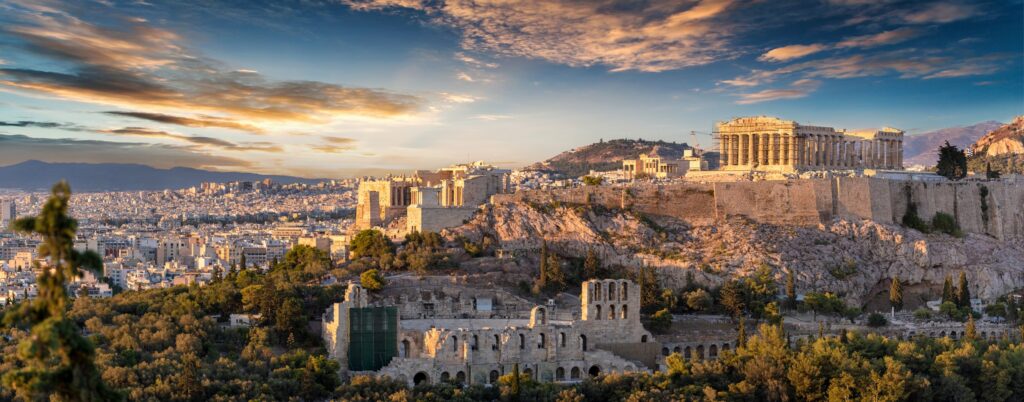
Athens: the Acropolis at the right hour
Few monuments draw a crowd like the Acropolis, and a daily cap and timed-entry slots now manage the flow. Turn that to your advantage: book the very first slot of the morning, when the gates open and the cruise groups are still down in the port of Piraeus, or one of the last in the late afternoon, when the light turns golden and the heat eases. You will have the Parthenon almost to yourself. If you would rather take in the Acropolis in its full scale from the outside, climb Filopappou Hill, the Areopagus or the Pnyx, with no ticket and no queue. All around lie the quieter treasures: the artists’ quarter of Anafiotika, with its Cycladic lanes right beneath the rock, the ancient cemetery of Kerameikos, and the Roman Agora, where you often stand alone among the columns. Finest as the opening or closing note of an Aegean voyage from Piraeus, ideally in April, May or October.
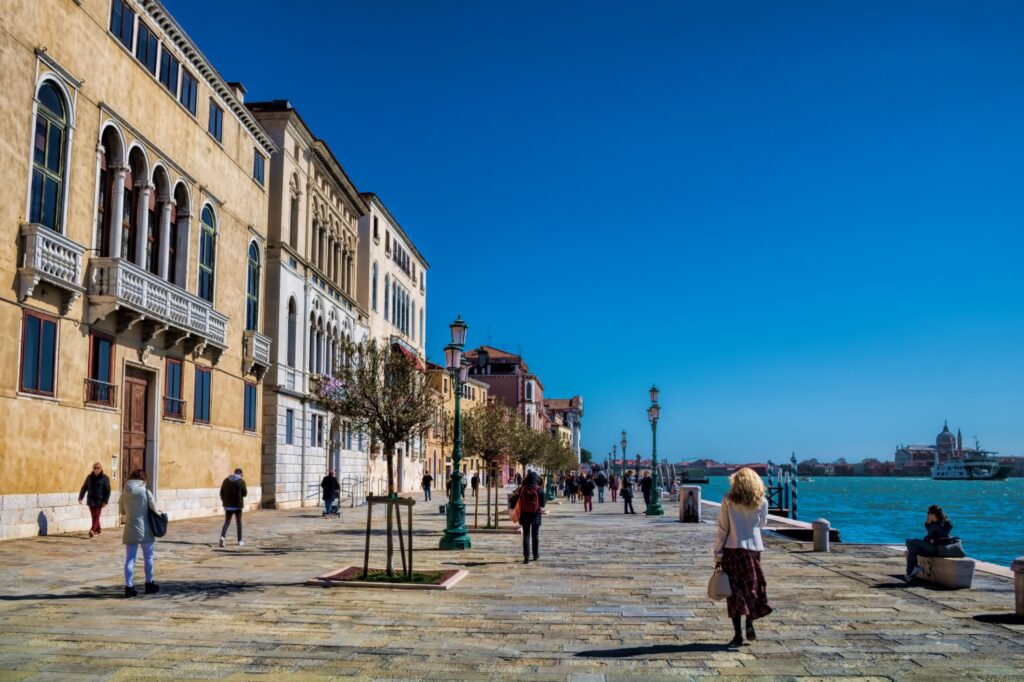
Venice: the city begins after six
Venice empties every evening. Once the day visitors have left, the city belongs again to those who stay. Spend the night rather than merely passing through, and avoid the Rialto to St Mark’s axis. Lose yourself instead in Cannaregio, Castello and Dorsoduro, in lanes without souvenir stalls, and head out into the lagoon to Torcello, Burano and Mazzorbo. In the early morning the canals lie in mist and mirror a city no day trip ever sees. Most atmospheric in late autumn or early spring.
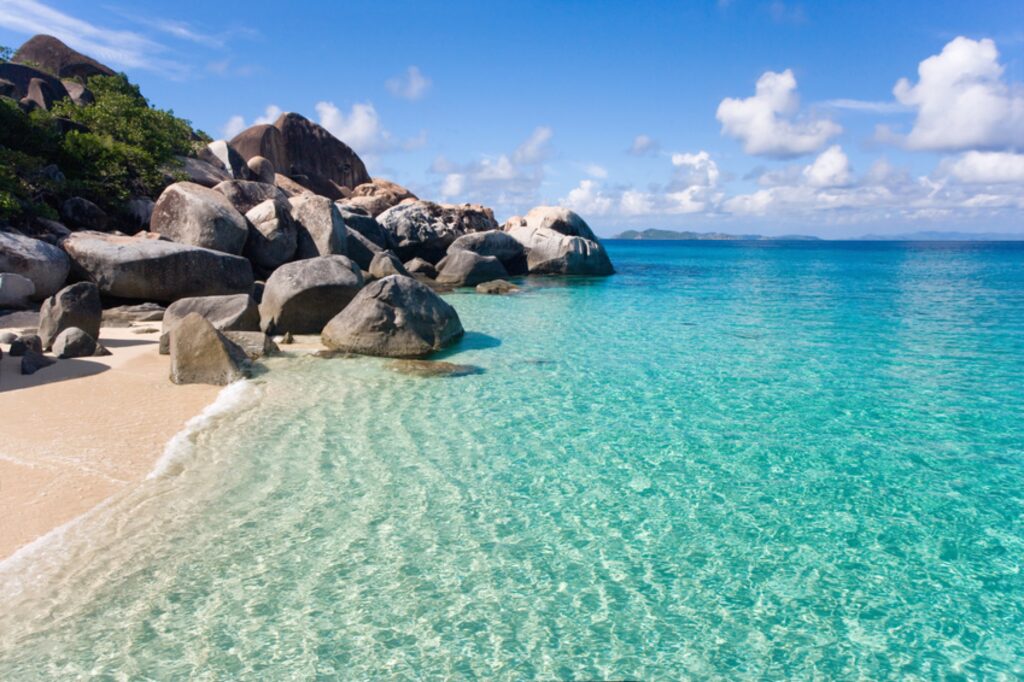
Virgin Gorda: The Baths before the rush
In the Caribbean, The Baths of Virgin Gorda, that cathedral of granite boulders, are the fixed point of every yacht’s itinerary. When the big ships send their tenders at midday, it gets crowded. Come right at opening or in the late afternoon, and move your anchorage into the wide, peaceful North Sound. Those who travel under sail have the finest hours here to themselves in any case. The main season from December to April is settled, while the shoulder season in May and November is noticeably quieter.
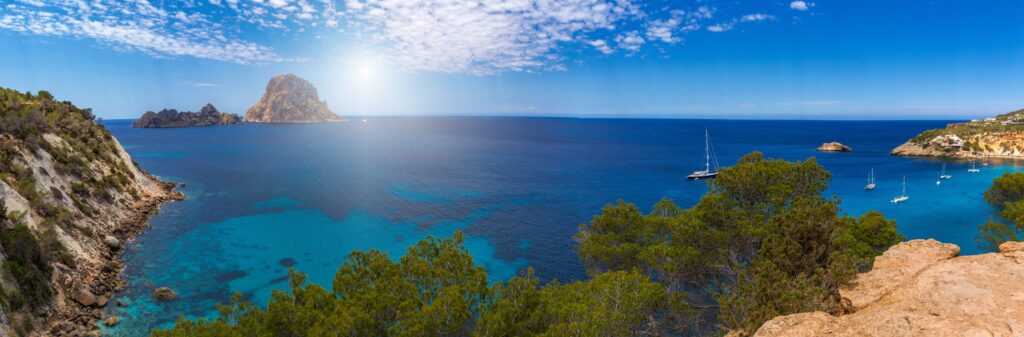
Ibiza: the quiet north
Ibiza is more than its reputation. Beyond the clubs lies an island north of pine woods and lonely coves, the magical rock of Es Vedrà, the artisan village of Sant Joan and, a short hop by boat, even quieter Formentera. Drop anchor in the coves of the west coast, visit the old town of Dalt Vila in the early morning, and travel in May, June or October. That is when the island shows its quiet, almost secret side.
Our five golden rules against the crowds
- Travel in the shoulder season. Late spring and early autumn offer the same light, gentler prices and a fraction of the people.
- Arrive from the water. A small ship or yacht reaches anchorages and bays that no coach and no ferry can serve.
- Use the quiet hours. Early morning and late evening are yours; in between, the place belongs to the day-trippers.
- Go one island, one village further. Beside every crowded star there is almost always a quiet, equally beautiful counterpart.
- Stay overnight. Those who sleep where others only pass through experience a place as it breathes again.
Our small sailing ships and yacht voyages are made for exactly this kind of travel: quiet, well-timed, away from the crowds. Talk to us, and we will find the rhythm that suits you.