
Scotland
Sailing voyages in Scotland
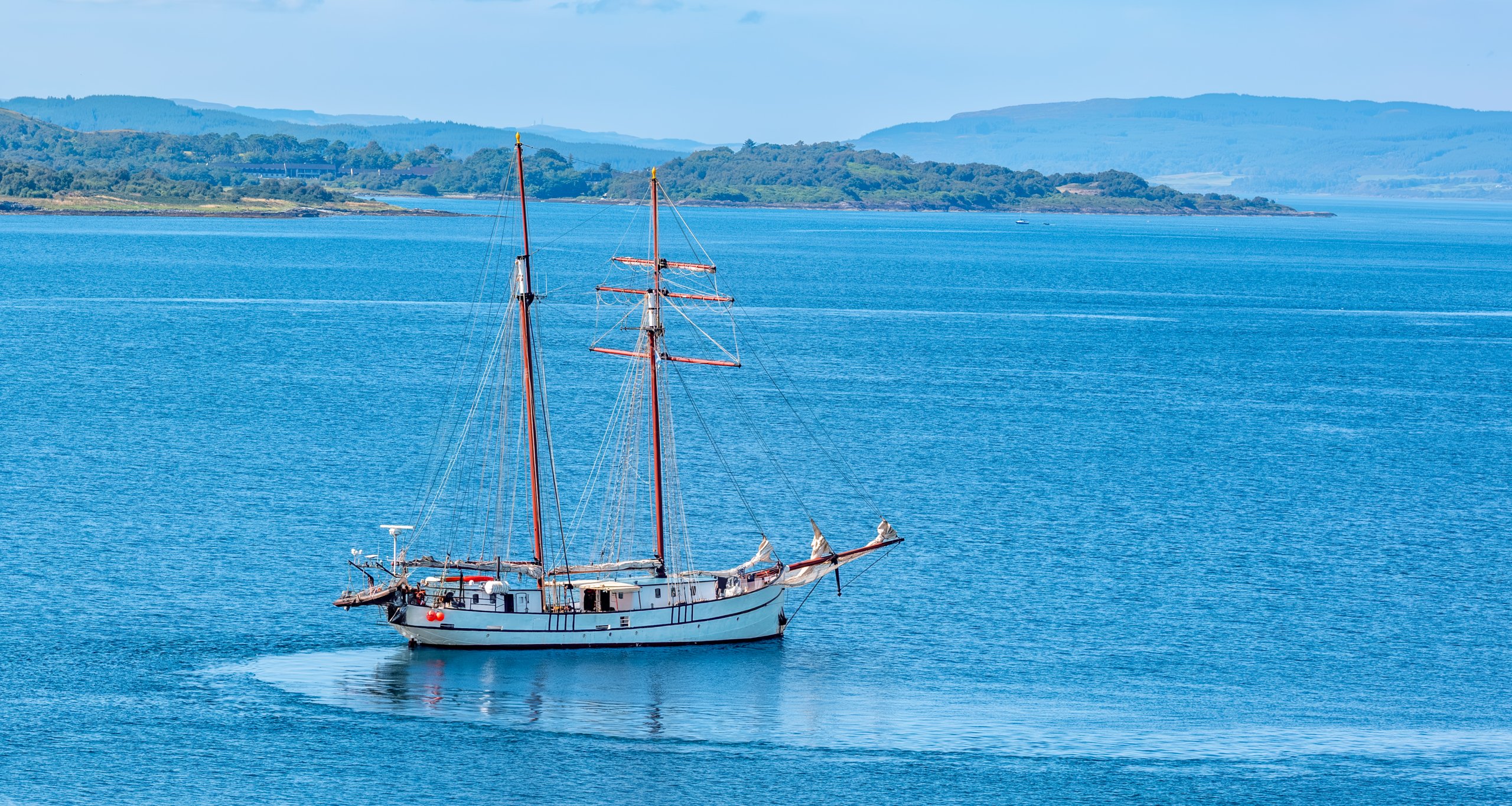
Under sail through the Hebrides, up to the Orkneys and along the Caledonian Canal. Quiet anchorages, basalt islands and castles at the water's edge, chosen by people who know these waters.
Ask us for advice Discover the cruising ground firstScotland's west coast is one of the finest sailing grounds in Europe. Behind every headland a new sound opens up, an island of black basalt, a bay where only the seals watch you in the evening. The wind is fresh, the light is clear, and the distances are short enough that every day ends at a new anchorage.
This is what the cruising ground is made for: Tobermory with its row of coloured houses, Staffa with Fingal's Cave, the wide beaches of the Outer Hebrides, and to the north the Orkneys with their Stone Age circles. Not a floating hotel, but a deck under real sails and waters best seen from the water itself.
Why with us
We only recommend what we know ourselves
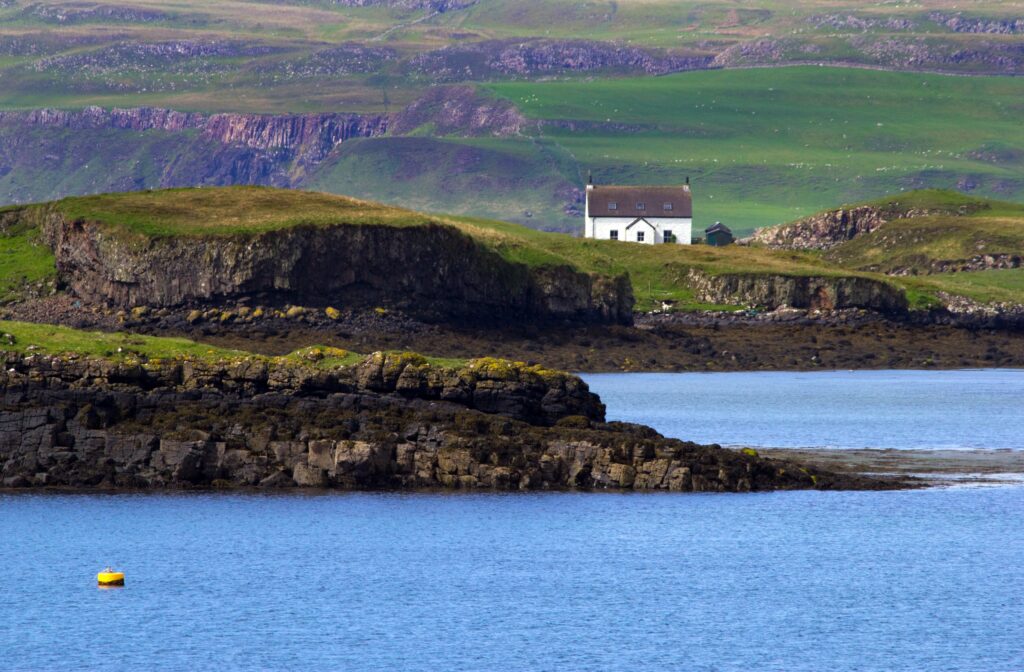
Sailing Scotland suits people who love rugged, quiet travel rather than the crowds. We tell you plainly which ship and which season suit you, from a comfortable sailing cruise to a small voyage, and we are there when you need us. No catalogues, just a recommendation from one person to another.
Ship and voyage
The right ship for Scotland
We sail Scotland with comfortable sailing ships that handle rougher weather with ease. For smaller voyages on classic tall ships or yachts we put together the right trip for you on request.
Would you rather take an expedition cruise around the British Isles? You will find those in our cruise world.
- Celtic island impressions: Orkneys, Hebrides and IrelandSea Cloud Spirit, 8 nights, June 2027
- Scotland by expedition cruiseBritish Isles in the cruise world
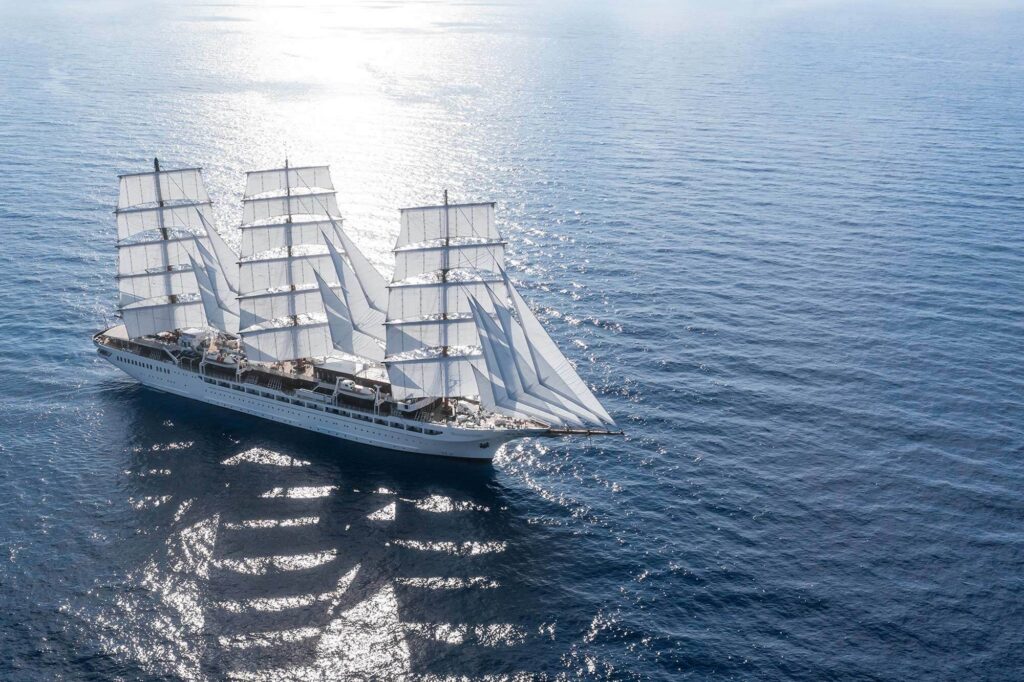
Sea Cloud Spirit
136 guests
A modern windjammer whose crew still sets the sails by hand. Generous cabins, many with a balcony, and enough comfort for the cooler nights of the north. On the Celtic Island Impressions route she sails from the Orkneys via Stornoway, Tobermory and Oban to Belfast and Dublin.
To the ship ›The cruising ground
From the Hebrides to the Orkneys
Sheltered sounds, short legs and a different anchorage every evening. Three areas shape sailing in Scotland: the Inner and Outer Hebrides in the west, the Orkneys and Shetlands in the north, and the Caledonian Canal through the heart of the country.
The west coast is the heart of the cruising ground. From Oban, the traditional departure port, the islands of the Inner Hebrides are reached in short legs. The sea usually lies calm in the lee of the islands, and the best season from May to September brings long, light evenings.
Sail further north and you reach the Orkneys with their Stone Age sites and the Shetlands at the edge of the northern sea. The Caledonian Canal, meanwhile, crosses the Highlands from coast to coast, past Loch Ness.
Inner Hebrides
Tobermory, Isle of Mull
The colourful little harbour town on the Sound of Mull, a starting point for trips to Iona and Staffa.
Staffa and Fingal's Cave
An island of hexagonal basalt columns with the famous sea cave that inspired Mendelssohn's Hebrides Overture.
Isle of Skye
The dramatic misty isle with the Cuillin mountains, castles at the water's edge and quiet anchorages.
Small Isles: Canna, Rum and Eigg
A small group of islands with seabirds, seals and almost deserted bays.
Outer Hebrides
Stornoway, Isle of Lewis
The main town of the Outer Hebrides, gateway to the standing stones of Callanish and wide white beaches.
Harris
Turquoise water over pale sand, a coast you would place in the Caribbean were it not in the North Atlantic.
The north: Orkney and Shetland
Kirkwall, Orkney
Stone Age circles, the village of Skara Brae and the sheltered natural harbour of Scapa Flow.
Lerwick, Shetland
More Nordic than Scottish, with puffins on the cliffs and endless summer nights.
Across the country: the Caledonian Canal
Loch Ness
The famous loch in the Great Glen, part of the waterway that links the east and west coasts.
Neptune's Staircase
The flight of locks near Fort William, in view the highest mountain in Britain, Ben Nevis.
The Scottish cruising ground
Good to know
Best time to travel
May to September. Early summer is the driest and brings long, light evenings; late summer is warmer but more changeable. In high summer the midges can be a nuisance ashore on still evenings, but a breeze on deck keeps them away.
Duration
Usually seven to ten nights. Short legs between the islands leave plenty of time for going ashore and for anchorages.
Embarkation and disembarkation
Common west coast ports are Oban and Inverness, and Kirkwall on Orkney in the north. We tell you the exact ports for each voyage.
Weather and clothing
The weather changes quickly, even in summer. Warm, waterproof clothing in layers belongs in your bag, along with sturdy shoes for going ashore.
What is included
This varies by ship and operator, from full board to individual on-board services. We tell you exactly beforehand.
Advice
Tell us what you have in mind
Hebrides or Orkneys, a comfortable sailing cruise or a small voyage, early or late summer: what suits you is best settled in conversation. You reach a person who knows these waters, and you usually have an answer the same day.
Prefer to speak directly? Call us or book an advisory appointment whenever it suits you.
Frequently asked questions