
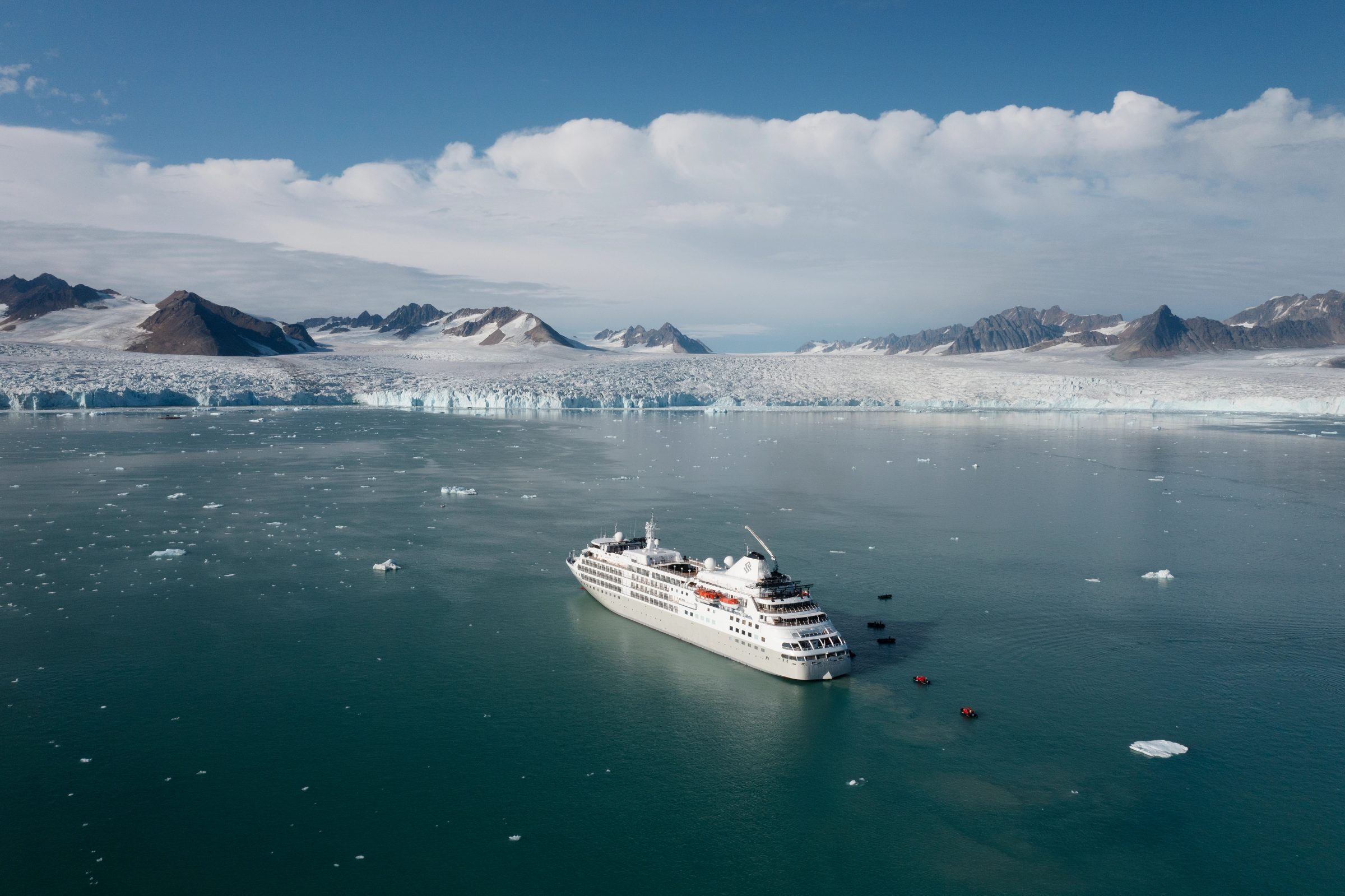
23 nights · 23. October - 15. November 2027 · Papeete → Valparaiso
Twenty-three nights lead from the Tahiti archipelago across the most remote islands in the Pacific to Valparaíso. Silver Cloud leaves Papeete bound for the Tuamotu and Gambier groups, then sets course for Pitcairn and Easter Island with its moai, before crossing the Pacific to the Chilean coast. An expedition team accompanies the voyage with lectures on Polynesian navigation, Rapa Nui culture and marine biology.
Scroll along the route. Tap a port for details.
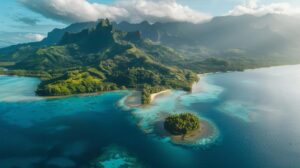
The capital of Tahiti on the north-west coast of the main island of French Polynesia is the gateway to the South Seas. It combines a colourful market scene at the Marché de Pape'ete with pearl jewellery boutiques, creole cafés and the harbourside roulottes food stalls. Papeete is the start and end point of almost every Polynesia cruise.
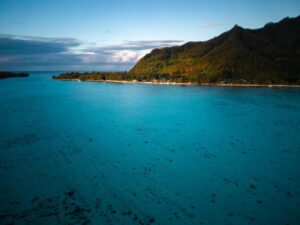
Just 17 kilometres off Tahiti lies Moorea - jagged volcanic peaks, turquoise lagoons and white coral reefs sit closer together here than anywhere else in the South Seas. Cook's Bay (Baie de Cook) and Opunohu Bay are among the finest natural settings in Polynesia.
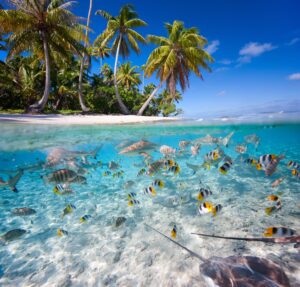
Fakarava is the second largest atoll of the Tuamotu Islands in French Polynesia and is protected as a UNESCO Biosphere Reserve. Its southern pass at Tetamanu is world-famous for diving amid large shoals of sharks.
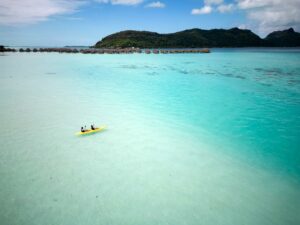
Atuona is the main settlement of the Marquesan island of Hiva Oa in French Polynesia and the final home of the painter Paul Gauguin and the singer Jacques Brel, both buried in the Calvaire cemetery. The jagged green peaks above Tahauku Bay rank among the most dramatic island settings in the Pacific.
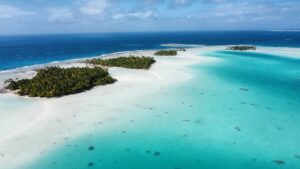
The smallest inhabited island of the Marquesas in French Polynesia is known for its bone and wood carving traditions and its well-preserved tikis. Alvaro de Mendaña landed here in 1595, making it the first part of Polynesia visited by Europeans.
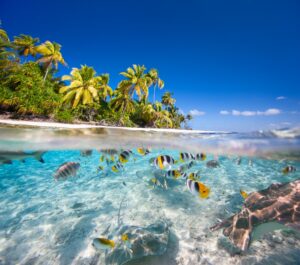
Hatiheu lies on the northern coast of the Marquesan island of Nuku Hiva, set in a deep bay enclosed by steep mountains. Significant archaeological sites with ancient tikis give the place great cultural value.
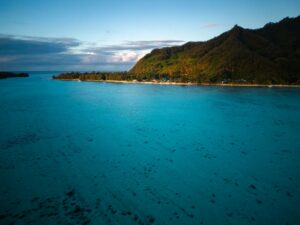
Hanavave lies on the west coast of Fatu Hiva in the Marquesas Islands and is considered, with its Bay of Virgins, one of the most beautiful bays in the world. Bizarre basalt pinnacles and lush vegetation frame the anchorage.
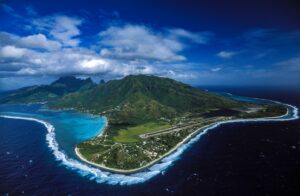
Mangareva forms the centre of the Gambier Archipelago in the far south-east of French Polynesia in the South Pacific. The island sits sheltered within a large coral-rimmed lagoon and is home to the Saint-Michel Cathedral, whose mother-of-pearl altar recalls the 19th-century Catholic missionary history.
Adamstown is the sole settlement on Pitcairn Island in the remote South Pacific and, with around 40 inhabitants, the world's smallest capital. Residents are descendants of the Bounty mutineers who settled here with Polynesian wives in 1790.
Easter Island or Rapa Nui is a Chilean island in the south-eastern Pacific, about 3,500 kilometres from the South American mainland, and one of the most remote inhabited places on Earth. On the UNESCO World Heritage island stand nearly 900 Moai, monumental stone statues carved between the 13th and 16th centuries.
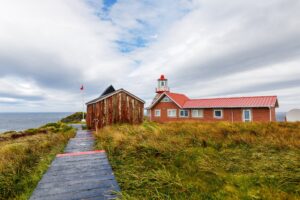
In the Juan Fernández Archipelago some 670 kilometres off the Chilean Pacific coast, this volcanic island is famous as the setting of the true story behind Daniel Defoe's novel: the Scottish sailor Alexander Selkirk lived here alone from 1704 to 1709. Today it is a UNESCO Biosphere Reserve.
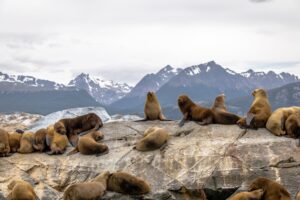
Valparaíso sits on Chile's Pacific coast some 120 kilometres north-west of Santiago and is Chile's most important container port. Its historic old town, with still-running funicular railways, mural art and colourful hillside neighbourhoods, is a UNESCO World Heritage Site.
On your signal we will hold your preferred suite for you, without obligation.