
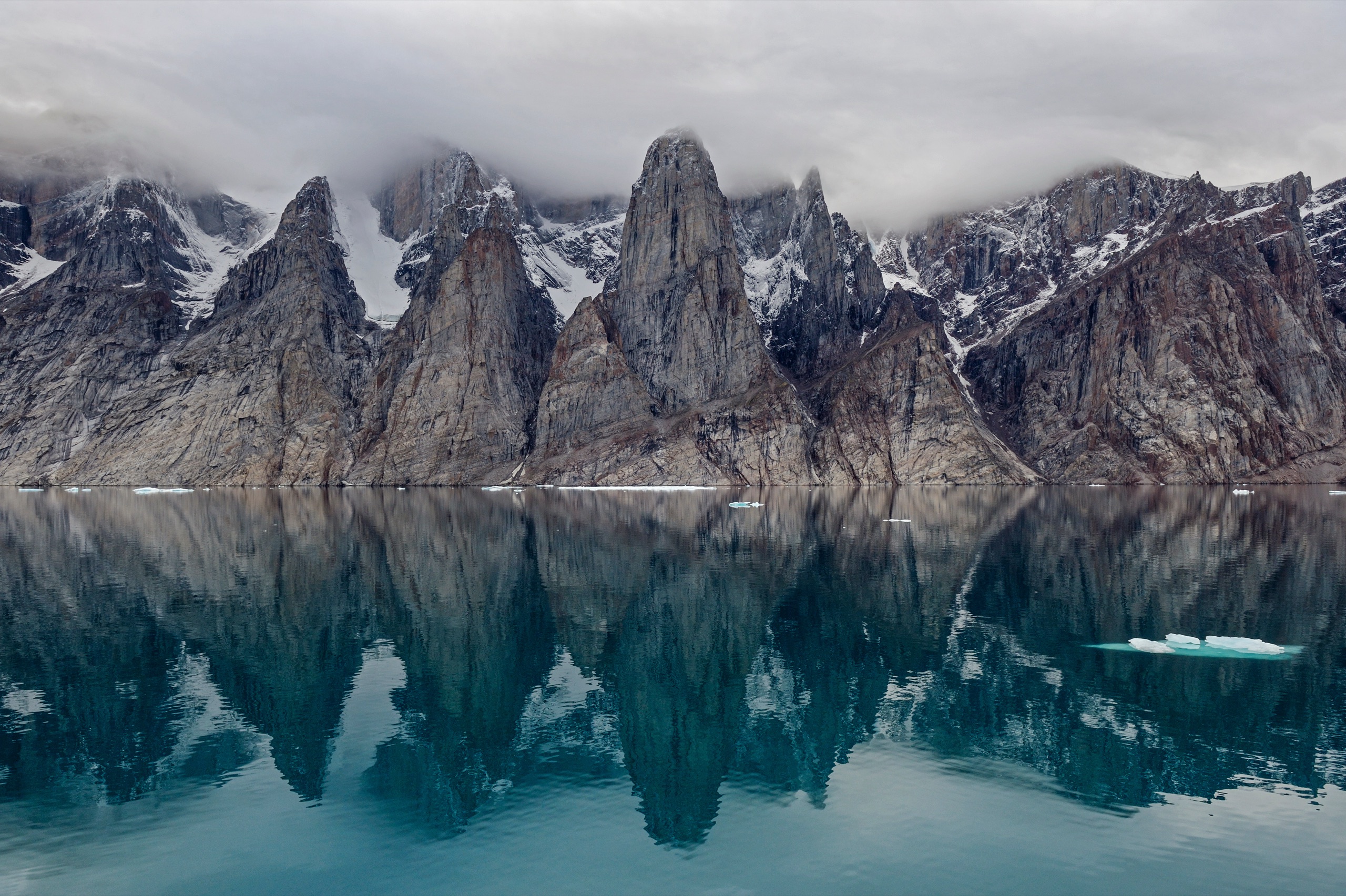
10 nights · 9. July - 19. July 2027 · Nuuk (Godthab) → Reykjavik
This ten-night Silver Wind Expedition voyage runs from Nuuk on the Greenlandic west coast back to Reykjavík. You experience the heart of Greenland with fjord coasts and glacier fronts followed by the Atlantic leg to Iceland. The expedition team leads Zodiac landings, ice and weather permitting, complemented by lectures and wildlife briefings. Silversea offers premium all-inclusive with butler service, premium wines, gratuities and Wi-Fi already included.
Scroll along the route. Tap a port for details.
Nuuk, the capital of Greenland on the south-western coast of the island, sits nestled between fjords and icebergs on the edge of the Labrador Sea.
Sisimiut is Greenland's second-largest town, known for its traditional kayak-building craft and dog-sledding tradition. The old colonial building, the Lutheran cathedral with its red wooden bell tower and the Arctic fjord panorama make Sisimiut one of the most authentic Greenland stops.
Ilulissat in West Greenland lies next to the UNESCO World Heritage Ilulissat Icefjord - one of the world's most productive glaciers. Sermeq Kujalleq calves enormous icebergs daily that fill the fjord before drifting into Baffin Bay. Dog-sled rides and helicopter glacier tours are the excursion highlights.
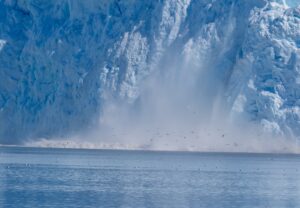
The Eqip Sermia Glacier in western Greenland is one of the most actively calving glaciers in the world. From on board or by Zodiac you watch in real time as tonnes of ice break from the glacier front and crash into the water, shaking the surface.
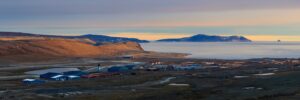
Qeqertarsuaq is the main settlement on Disko Island off Greenland's west coast, set beneath characteristic basalt cliffs. Hot springs, whales and icebergs shape this Arctic experience.
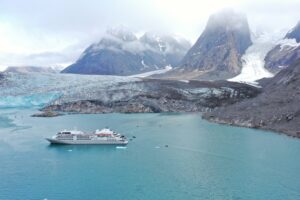
The Evighedsfjord (Fjord of Eternity) in western Greenland is a calm fjord reaching deep into the mainland, with one of the most impressive glacier backdrops in Greenland. Barely visited, it offers silent passages through a landscape of gneiss cliffs, waterfalls and tundra.
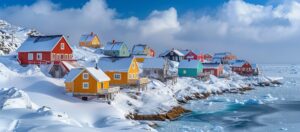
Tucked between Nuuk and Qaqortoq on Greenland's south-western coast, this fishing community sits at the entrance to a sprawling fjord system. Its colourful timber houses hunker against the often misty Atlantic, while sea eagles and whales pass through the bay in summer.
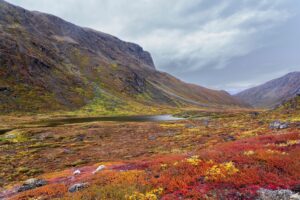
On Greenland's south-west coast lies Hvalsey as the most important archaeological site of the Norse era on the island. The impressive 14th-century church ruins with their preserved stone walls mark the last documented presence of the Greenlandic Norse in 1408, when an Icelandic wedding was held here.
On a sheltered bay in southern Greenland, this largest town of the region carried the Danish name Julianehåb until 1979, founded in 1775 by the Norwegian Anders Olsen. Today some 3,000 people live among colourful wooden houses surrounding Greenland's only fountain.
In southern Greenland, this 100-kilometre strait, often only a few hundred metres wide, links the Atlantic with the Labrador Sea. Glaciated mountains rising sheer 2,000 metres from the water, calving glaciers and drifting icebergs make the passage one of the most dramatic waterways in the world.
Reykjavik is the world's northernmost capital and gateway to Iceland's natural wonders - geysers, waterfalls, glaciers and volcanoes. The colourful wooden houses of the city centre, the Hallgrímskirkja and the warm geothermal Sky Lagoon define the city.
On your signal we will hold your preferred suite for you, without obligation.