
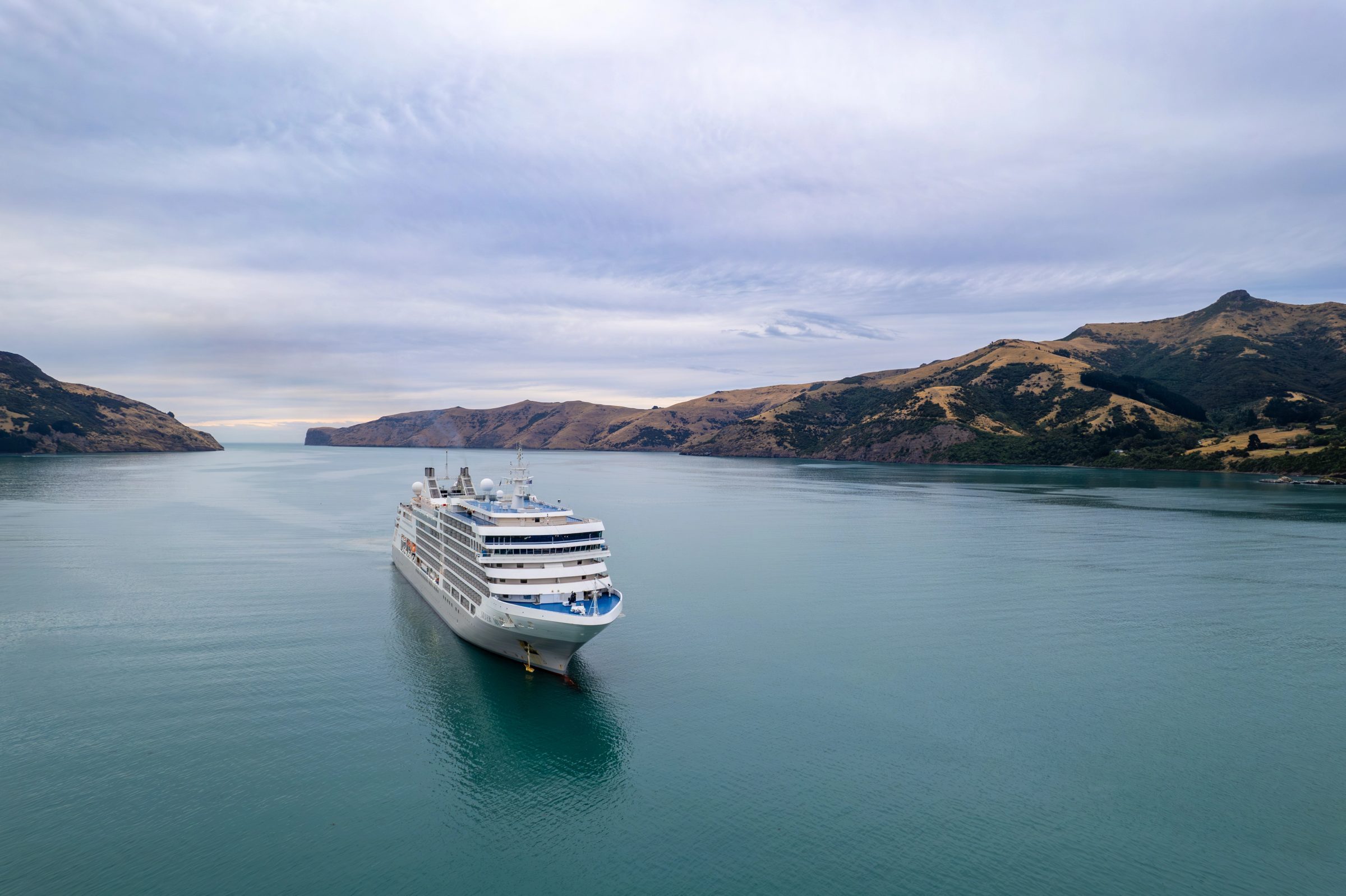
7 nights · 7. October - 14. October 2026 · Fusina (Venedig) → Lissabon
Seven nights connect the Adriatic with the central Mediterranean island of Malta. Silver Muse departs Venice southbound via the Strait of Otranto and continues to the natural harbour of Valletta. Personal butler service, premium wines, complimentary Wi-Fi and included gratuities accompany the journey. Early October brings pleasant Mediterranean autumn weather and quieter ports.
Scroll along the route. Tap a port for details.
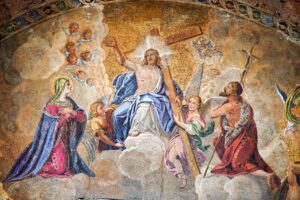
Built on 118 islands and a UNESCO World Heritage Site since 1987 - Venice is a masterpiece of human ingenuity. The Grand Canal, palazzo facades, gondoliers and the view from St Mark's Square across the lagoon are among the most iconic images in Europe.
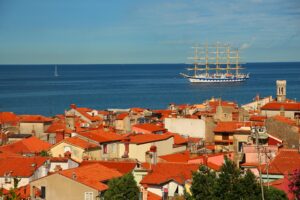
This small Slovenian port on the Adriatic showcases a remarkably intact Venetian architecture with its narrow lanes, Tartini Square and town walls. Salt pans and olive groves shape the surrounding Istrian hinterland.
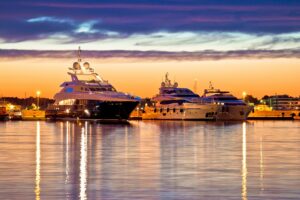
Zadar on the Croatian Adriatic coast has Roman roots. The Sea Organ (waves create music through built-in pipes) and the "Greeting to the Sun" (300 solar-powered glass panels) at the waterfront are modern art installations of world renown.

Lavender fields, Venetian town architecture, crystal-clear water: Hvar is regarded as one of the loveliest islands in the Adriatic. Hvar's Old Town is the best-preserved Venetian-influenced town in Croatia.
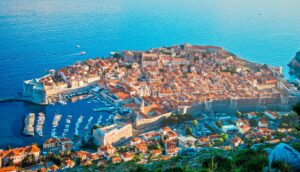
The "Pearl of the Adriatic" is one of Europe's best-preserved medieval cityscapes and has been a UNESCO World Heritage Site since 1979. The mighty 13th-century city walls can be walked all the way round - offering panoramic views of the Adriatic and the Dalmatian islands.
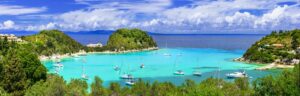
Taormina sits on a rocky spur above the Ionian Sea and is considered Sicily's most beautiful town. The Greco-Roman theatre with Mount Etna in the background is one of the most spectacular ancient settings; the landing point is Giardini-Naxos at the foot of the hill.
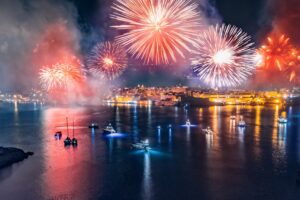
The capital of Malta is one of the smallest yet richest capitals in the world. A UNESCO World Heritage baroque city, it has more museums and churches per square kilometre than any other city; Grand Harbour is one of the finest natural harbours in the Mediterranean.
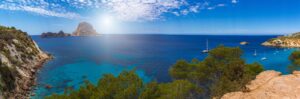
Trapani is the gateway for excursions to Segesta (a Doric temple from the 5th century BC set in remote uplands) and to the ruins of Selinunte. The Saline di Trapani - sprawling salt pans with historic windmills - form a unique landscape on Sicily's western shore.
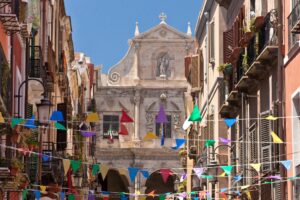
Cagliari, capital of Sardinia, is crowned by its Pisan citadel overlooking the Molentargius lagoon. Excursions lead into the Gennargentu National Park, to the Nuragic complex of Su Nuraxi (UNESCO World Heritage) and to the white beaches of the Costa del Sud.
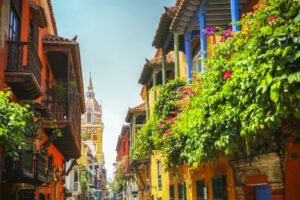
Cartagena is a port city on the Spanish Mediterranean coast in the Murcia region and home to one of the country's principal naval bases. Carthaginians, Romans and Moors all shaped the bay, and the Roman theatre from the time of Augustus, rediscovered in the city centre, is among the most impressive in Spain.
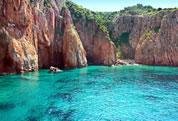
On the Costa del Sol in Andalusia on Spain's southern Mediterranean coast lies Málaga at the foot of the El Torcal mountains. Birthplace of Pablo Picasso, the city is today a major cultural hub with the Picasso Museum, the Moorish Alcazaba from the 11th century, the Roman theatre ruins and a lively harbour quarter around the Muelle Uno.
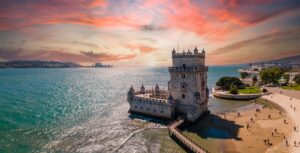
Built on seven hills, Lisbon blends a southern European sense of life with a great history of discovery. From the Tower of Belém, Vasco da Gama and other navigators set out into the unknown - yellow trams and the melancholic Fado still tell the tale today.
On your signal we will hold your preferred suite for you, without obligation.