
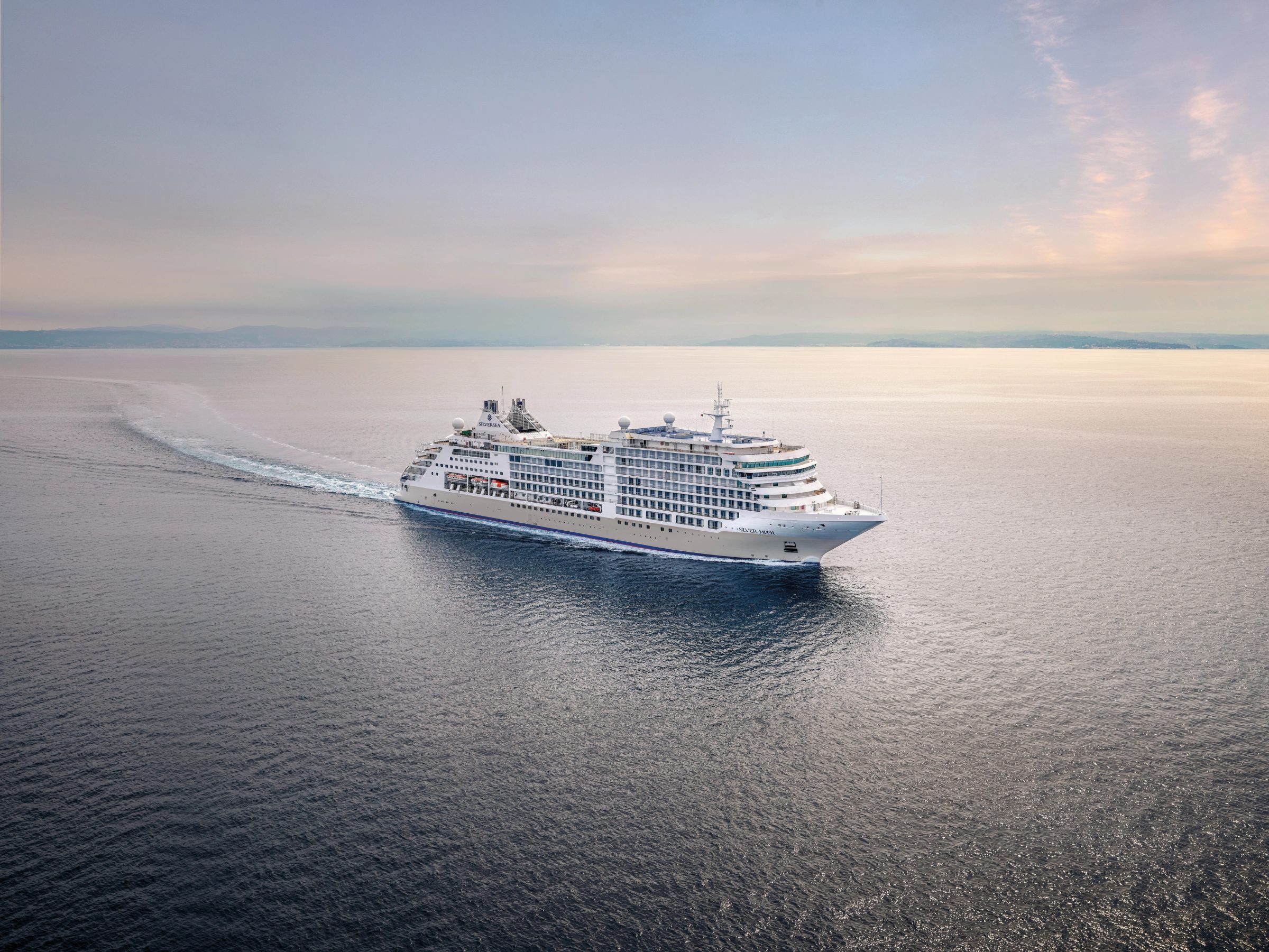
15 nights · 29. March - 13. April 2028 · Yokohama (Tokio) → Tokio
Fifteen nights aboard Silver Moon between Yokohama and Tokyo describe a wide arc through the coastal cultures of Japan and South Korea. The route follows the Pacific coast, crosses the Yellow Sea and returns through the Inland Sea. Silversea keeps its all-inclusive promise with a butler in every suite, premium wines, Wi-Fi and gratuities. That leaves time for onsen, shrines and markets in old quarters. A focused approach to the culture and nature of the Far East.
Scroll along the route. Tap a port for details.
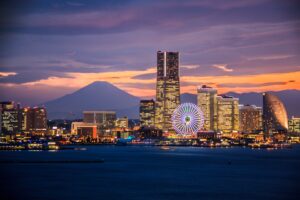
Yokohama is Japan's second-largest city and the port serving nearby Tokyo …
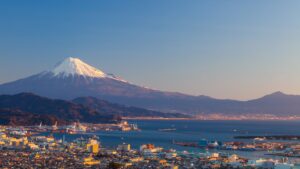
As the port district of Shizuoka city in the prefecture of the same name, Shimizu sits on Suruga Bay on the Pacific …
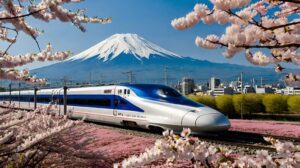
Kobe is the gateway to one of the finest day trips in Japan: Kyoto lies just 35 minutes away by Shinkansen - with the Arashiyama bamboo grove, the Kinkaku-ji Golden Pavilion and the Fushimi Inari Shrine with its thousands of orange torii …

Kōchi lies on Tosa Bay on the Pacific coast of Shikoku …
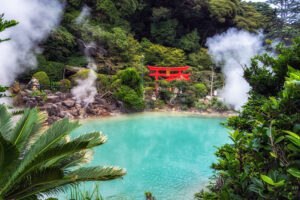
Beppu lies on the east coast of Japan's Kyushu island and is famed for its more than 2,000 hot springs …
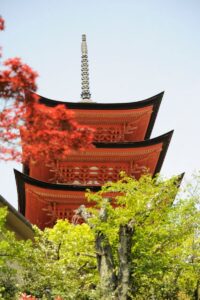
Hiroshima is both a memorial and a modern metropolis …
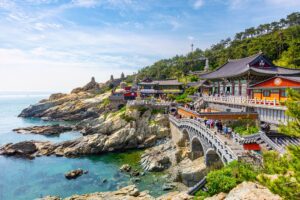
Busan is South Korea's second-largest city and its most important port …
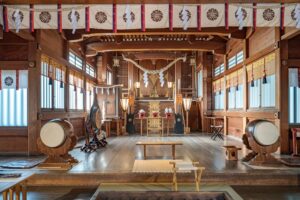
Kanazawa is one of Japan's best-preserved historic cities (spared in the Second World War) …
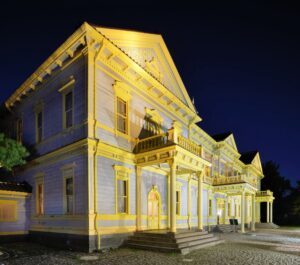
Hakodate sits at the southern tip of Japan's Hokkaido island and has a cosmopolitan atmosphere dating from its 19th-century opening as one of Japan's first international ports …
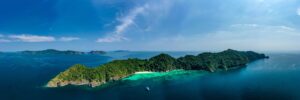
Miyako lies on the Sanriku coast in the north of Japan's main island of Honshu in Iwate Prefecture on the Pacific …
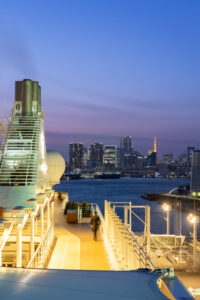
Tokyo is the largest metropolitan area on Earth …
On your signal we will hold your preferred suite for you, without obligation.