
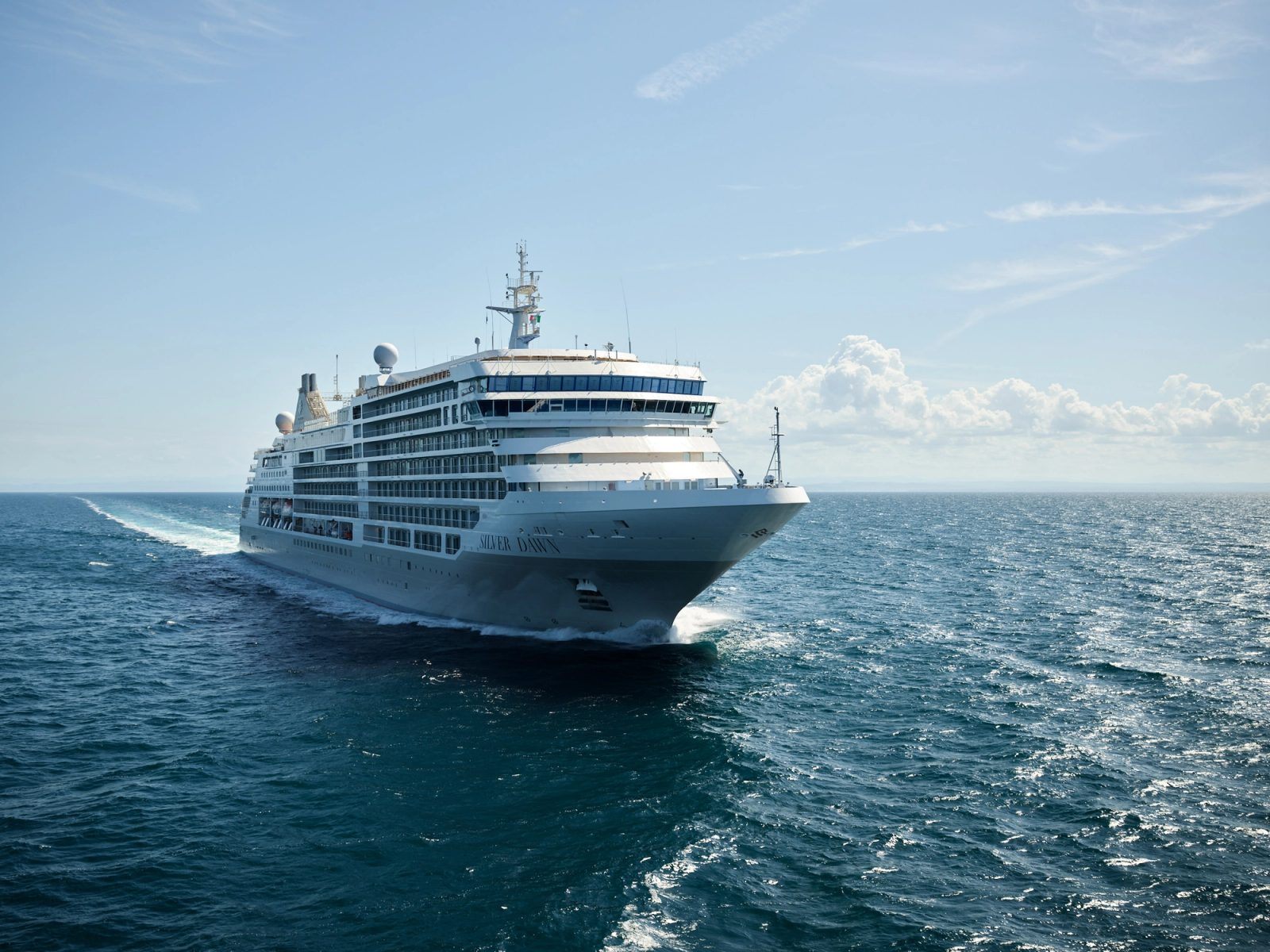
12 nights · 3. September - 15. September 2027 · Kopenhagen → Southampton
Twelve nights from late-summer Copenhagen across the northern islands and the Irish Sea to Southampton. Silver Dawn bridges the Scandinavian and Celtic worlds: Scottish island groups, Irish ports such as Cobh and English coastal towns such as Falmouth combine into a varied line. Butler service, premium wines, Wi-Fi and gratuities are available throughout. The route suits guests who want to combine Scandinavia and the British Isles in a single voyage.
Scroll along the route. Tap a port for details.
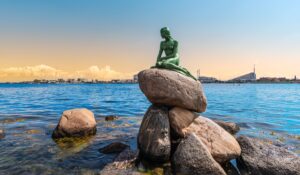
Nyhavn - the colourful harbour row - Christiansborg Palace, and the kitchen that brought New Nordic Cuisine to the world: Copenhagen is one of the most liveable cities anywhere …
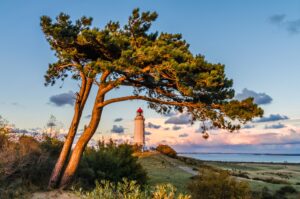
Skagen lies at the northern tip of Jutland, where the North Sea and the Baltic visibly meet …
Edinburgh is the capital of Scotland and lies on the east coast on the Firth of Forth …
Aberdeen lies on Scotland's North Sea east coast and has been the oil capital of Europe since the North Sea finds of the 1970s …
Invergordon on the Cromarty Firth is the gateway to the Scottish Highlands …
On the Isle of Lewis in Scotland's Outer Hebrides, Stornoway serves as the archipelago's main harbour …
At the entrance to Lough Foyle in County Donegal lies Greencastle on Ireland's northernmost coast …
Greenock lies on the Firth of Clyde and serves as the gateway port for Glasgow …
Port city at the mouth of the Mersey on the north-west English Irish Sea coast …
On the Pembrokeshire coast in western Wales lies the small harbour of Fishguard in a sheltered bay …
In south-west England's Cornwall, Falmouth opens onto one of the world's largest natural harbours …
Southampton is England's largest cruise port, from which the Titanic set out on her maiden voyage in 1912 …
On your signal we will hold your preferred suite for you, without obligation.